

C O R E T E C H N O
image

Follow

Software Built to Fit the Way Your Business Works

Rooted in Australia and India, Core Techno builds software matched to how your business actually operates, not a shelf template.

  • Custom Software Development
  • CRM Development
  • Mobile App Development
  • Legacy System Integration
  • Cloud-Based Applications
  • SRS

Most businesses do not wake up wanting new software. They wake up to a process that has quietly stopped working, a spreadsheet three people now maintain by hand, a booking system that will not talk to the accounts package, a sales team guessing which leads are actually warm. Then the workaround stops being a workaround. Custom software exists to fix that exact problem, not to add technology for its own sake.

Core Techno approaches every build the same way: understand the actual workflow before writing a line of code. That starts with User Stories, the real tasks a real person needs the software to do, and moves into a software requirement specification detailed enough for the development team to build against without guesswork. Thirteen years of doing this across online platforms, desktop tools, mobile apps and CRM systems means the requirement gathering step rarely gets skipped, even when a client is in a hurry to see something on screen.

image

Software Development in Adelaide, Backed by a Team Across Australia and India

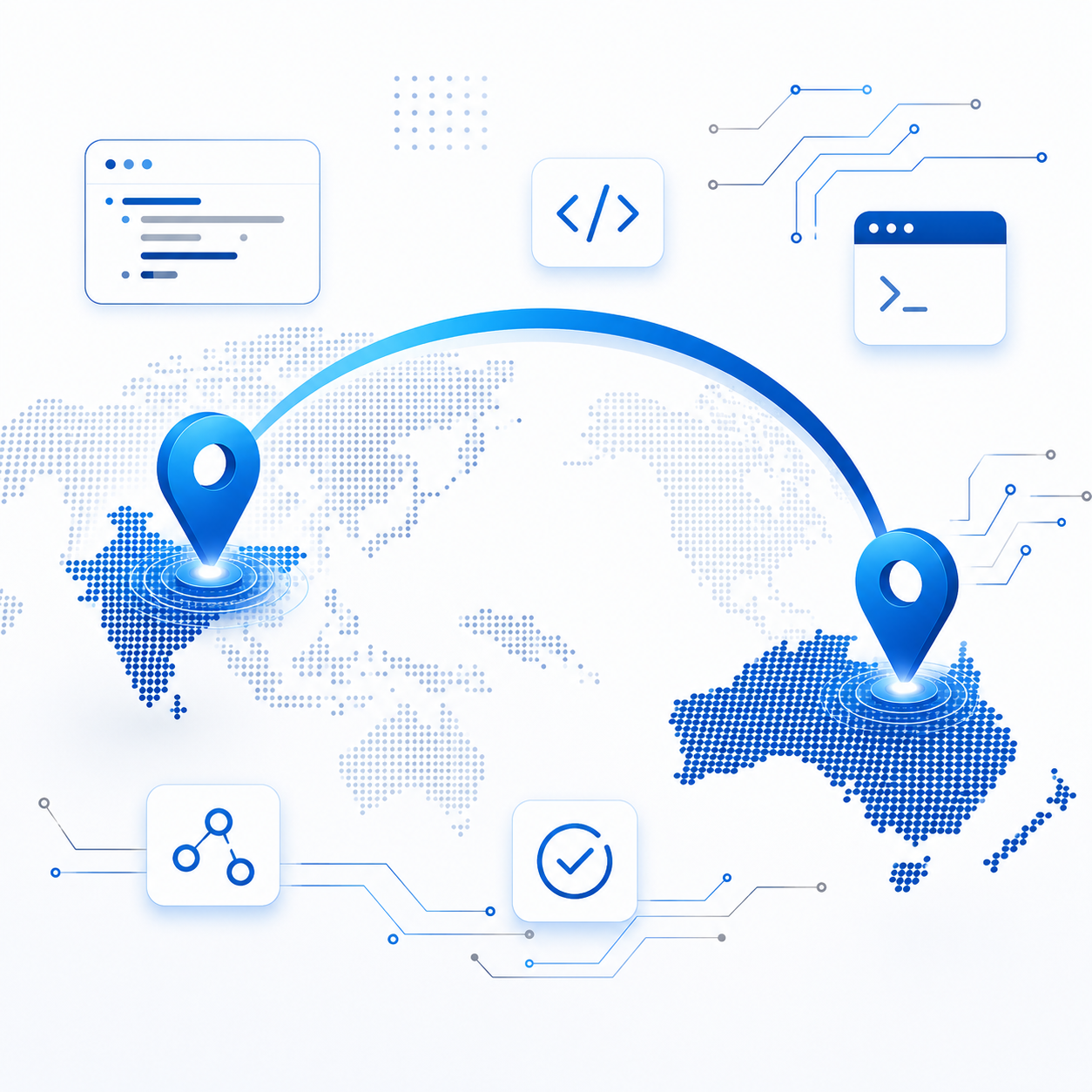
The core software development team works out of Adelaide, with a dedicated India delivery team in Ahmedabad extending capacity for testing, support and out-of-hours coverage. For a client, that mostly shows up as fewer delays waiting on a single developer's calendar and steadier turnaround on fixes once the software is live, not as extra vendors to manage.
Online and Desktop Software Development

Off-the-shelf software is built for an average business, and most businesses are not average in the one area that actually matters to them. Every workaround bolted onto a generic system, the extra spreadsheet, the manual export, the person who just remembers how it is actually supposed to work, becomes another point where something can quietly break, unnoticed until a deadline depends on it.

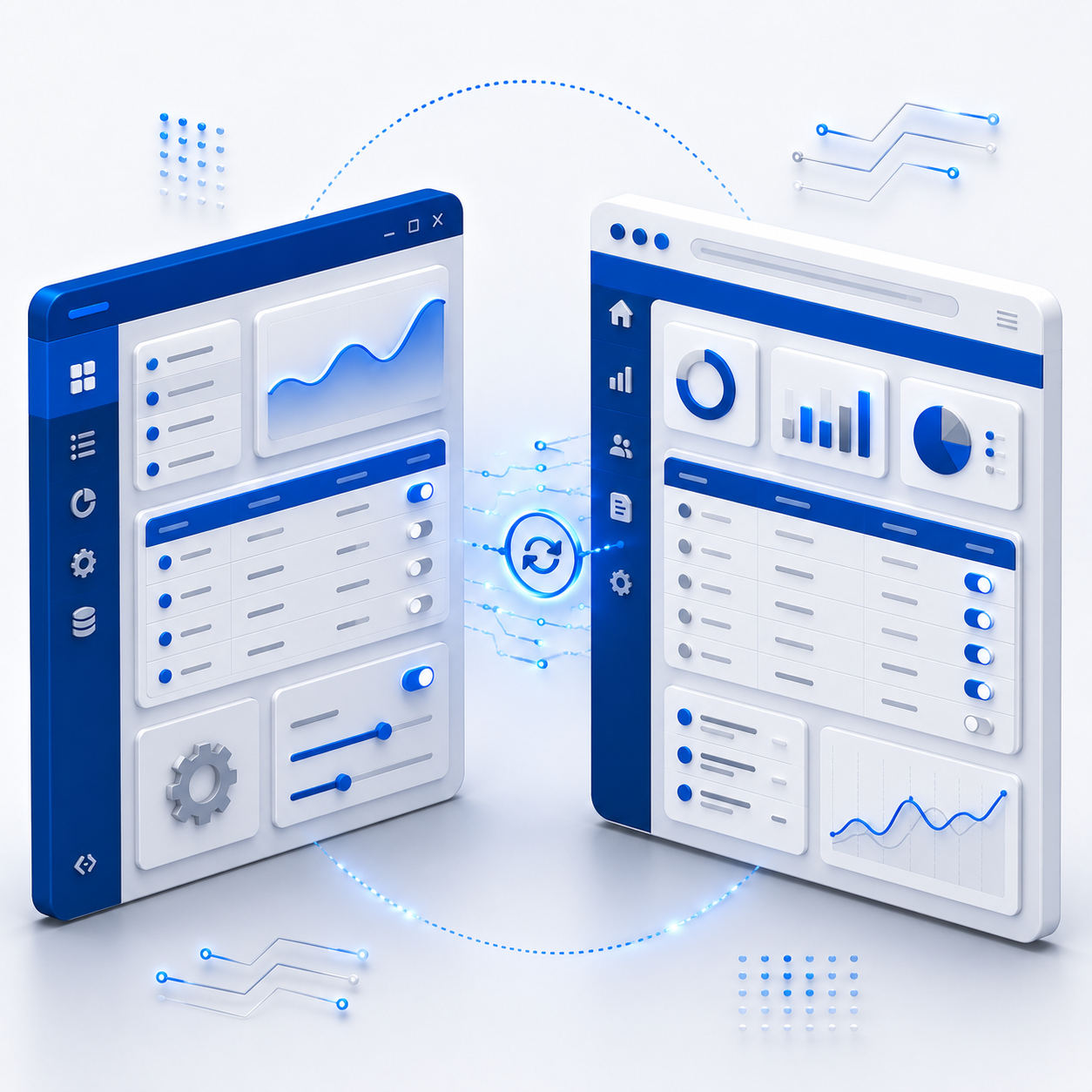
Core Techno's software development work covers new systems built from scratch, enhancement of software a business already relies on, and integration of legacy platforms that were never designed to talk to each other. Every project starts with professional consultation and requirement gathering, moves through solution architecture and development, and includes implementation support once the software goes live, not just a handover and a wave. Hosting and ongoing support are scoped into the agreement from the start, matched to what the software actually needs to stay reliable, not sold as an optional add-on after the fact.

image
image

Mobile Application Development

A mobile app that looks good in a pitch deck and one that actually gets used are not the same thing. The gap between them is usually testing, or the lack of it.

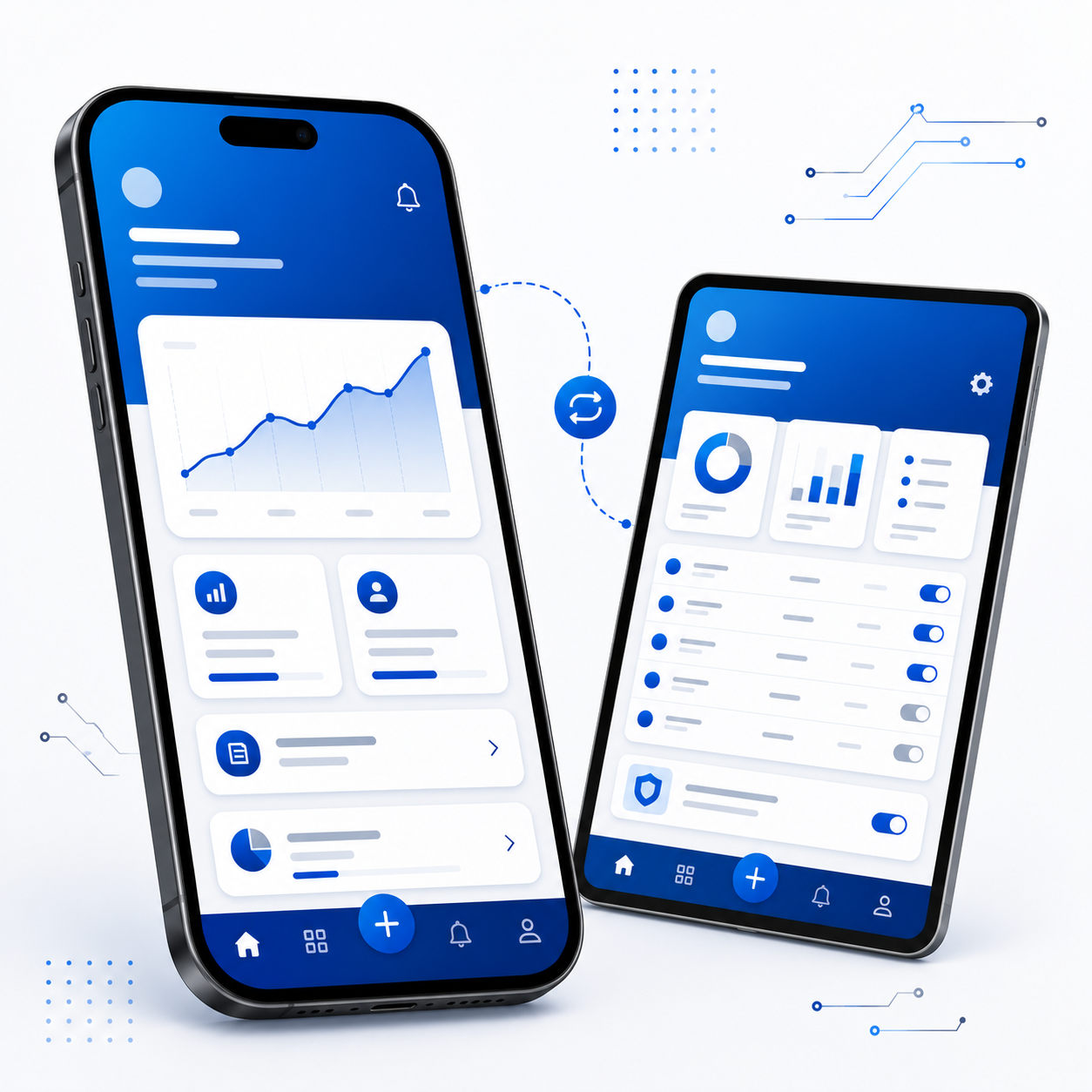
Core Techno's mobile development work sits alongside the web design team rather than apart from it, so a mobile app and its companion website share the same design language and, where needed, the same backend. Android remains the primary build target, reflecting where the bulk of the user base sits, with hybrid and cross-platform builds available where a single codebase needs to reach both Android and iOS without duplicating the development effort. A functional prototype matters more than a polished screen nobody has tested; usability testing happens before a build is called finished, not after a client asks why users are not converting.

CRM Development

Lost leads rarely disappear all at once. They slip through a gap between a marketing campaign, a follow-up call that never got logged, and a sales rep working from memory.

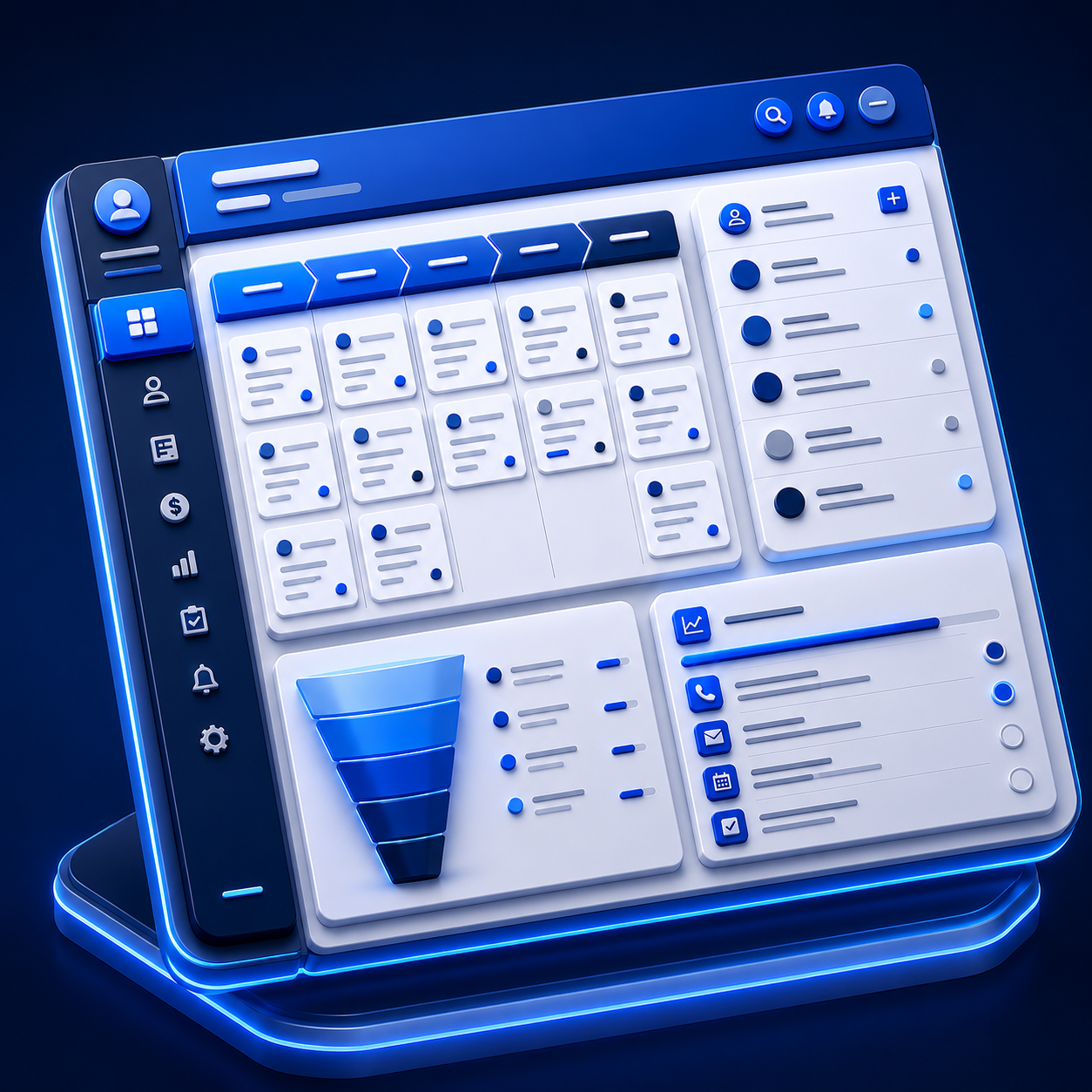
Core Techno builds CRM systems for B2B and B2C businesses to close that exact gap, tracking a lead from first contact through to closed sale in one place instead of three. The scope varies by business: some clients need lead and pipeline tracking, others need the CRM tied into loyalty programs or trade promotion tracking. What stays constant is the starting point, mapping the actual sales process before building anything, so the system reflects how the sales team already works rather than forcing a new process onto them.

image

Straight Answers,
Not Just Status Updates

Every stage of a build, from the first requirement conversation to the final handover, gets communicated plainly. If a timeline shifts or a scope question comes up, that gets flagged as it happens, not buried in a report nobody reads.

Priced Against
the Actual Build

Every quote is scoped to what a specific project needs, not a fixed package with unused features baked into the price. The base price is set after requirements gathering, not before it.

Built by People
Who Have Done This Before

Thirteen years of software delivery means most requirement gaps get caught at the specification stage, before a line of code depends on an assumption that turns out to be wrong.

Software That
Earns Its Keep

The goal of any build is a shorter release cycle and a system the business actually uses daily, not a project that ships once and gets quietly avoided afterwards.

Off-the-shelf software asks a business to adapt to it. Custom software is built to adapt to the business instead.

What You Own, and How Scope Works

shape shape
image
image

Every software build ends with the client owning what was built, the code, the specification, and the documentation behind it. Nothing is licensed back at a recurring cost designed to make a business pay twice for its own asset.

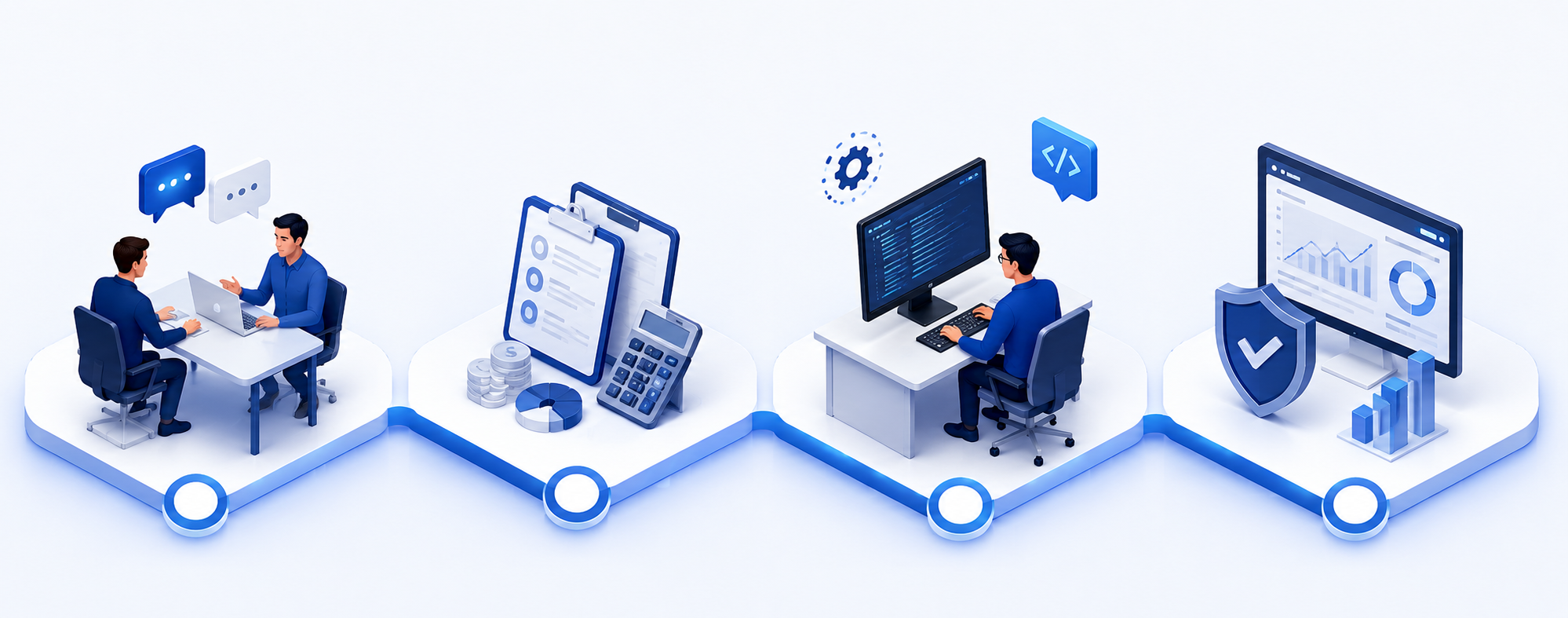
Scope gets set at the quoting stage and revisited only if the project genuinely changes shape, not renegotiated over every small addition. The four-stage process behind every build, planning, design and execute, testing, and reporting, keeps that scope visible throughout, not resolved only at the final invoice.

image

What This Includes

Every build starts with User Stories and a documented software requirement specification, so developers work from an agreed brief, not a guess.

The system's structure gets planned before development starts, covering how data moves and where it is stored, not decided mid-build.

Programming begins once the specification is agreed, with progress visible at each stage rather than a single reveal at the end.

New software gets connected to what a business already runs, accounting, booking, existing databases, instead of operating as an island.

Hosting and operational support are scoped into the service agreement from the outset, matched to what the software needs to stay reliable.

The team that will use the software daily gets shown how, not handed a manual and a login.

Every week a workaround stays in place is another week of hidden cost.

A short conversation is usually enough to tell whether custom software, an integration, or a smaller fix is the right next step.

Project-Situation

Replacing a Process Held Together by Spreadsheets

When a manual process needs three people and a shared spreadsheet to stay accurate, it is usually cheaper in the long run to build something purpose made than to keep patching the workaround.

Request a Tailored Recommendation
Launching a New Digital Product or App

A new product idea, whether it starts as a web platform, a mobile app or both, needs the same requirement gathering and specification work before a build begins, regardless of size.

Talk to Our Team
Connecting Mobile, CRM and Existing Systems

When a mobile app, a CRM and a set of existing internal tools all need to work together instead of separately, integration work usually matters more than any single new feature.

Ask About Custom Software